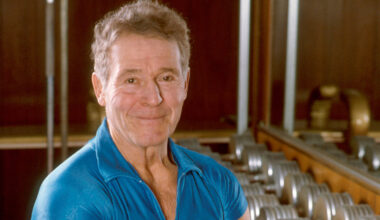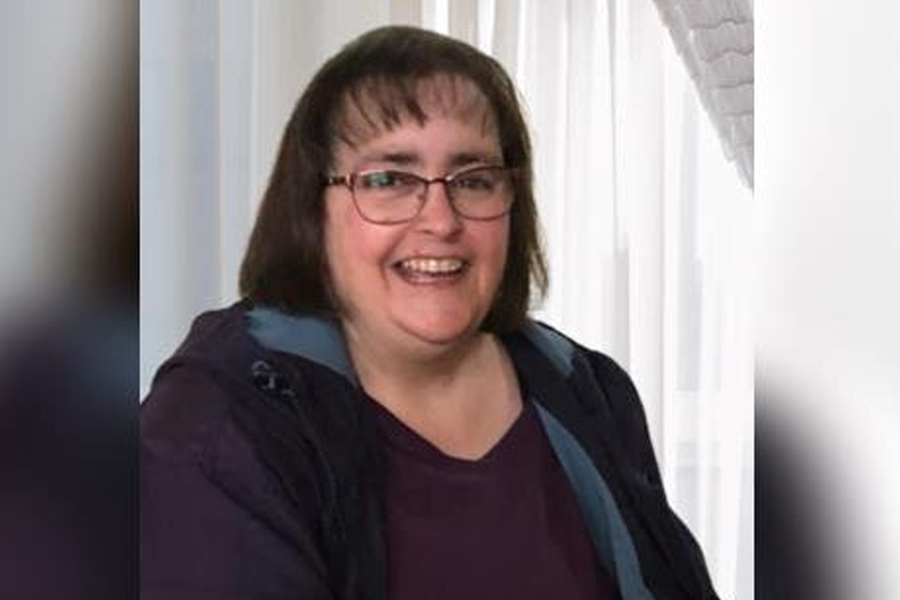
Who Is Dr Lorraine Day?
Dr. Lorraine Day has multiple public personas. She started as an orthopedic trauma surgeon and academic doctor. Later, she became famous for her lifestyle and spirituality claims of breast cancer recovery. She became more controversial by pushing alternative health and anti-establishment politics.
Dr. Lorraine Jean Day, born in 1937, worked in one of medicine’s toughest fields. Surgery for orthopedic trauma requires steadiness, quickness, and authority. She entered that arena when surgical specialty had few woman leaders. That alone distinguished her. Her academic medicine career showed discipline, intelligence, and determination.
Her narrative went beyond the hospital. Her life changed in the 1990s when she publicly announced her advanced breast cancer diagnosis. From there, her reputation shifted. Some saw her as a remarkable survivor who took on medical convention. She showed others how personal testimony may lead to medical misstatements.
Early Life and Background
Dr. Lorraine Day was born in America in 1937. Few facts about her parents, siblings, and extended biological relatives are public. Her family life was mostly hidden, unlike celebrities who leave a large paper trail of interviews and public profiles.
What became visible instead was the architecture of her public identity. Her name grew around four pillars: medicine, illness, public speaking, and activism. Those areas shaped how people came to know her far more than details about her childhood home or family lineage.
Despite the gaps, her professional path shows uncommon desire. Surgery training in the mid-20th century needed perseverance. Increased trauma surgery needed more. The public record may not completely detail her early years, but her professional function shows the effects.
A Career Built in Academic Medicine
Dr. Lorraine Day was a serious doctor before becoming a controversial health speaker. Trauma care, which treats serious injuries, emergency fractures, and surgical emergencies, became her specialty as an orthopedic surgeon. Not a soft spotlight affair. The world was steel and bone.
She went on to serve as Chief of Orthopedic Surgery at San Francisco General Hospital. She was also affiliated with the University of California, San Francisco. Those positions placed her inside a respected academic and clinical system. They also made her later public transformation more striking.
Her medical career included work with:
- trauma surgery
- accident victims
- hospital based emergency care
- surgical teaching and training
- orthopedic leadership
For many observers, this phase of her life is essential. It explains why her later statements drew such attention. She was not an outsider criticizing medicine from the margins. She had been inside the operating room, inside the institution, and inside the hierarchy.
Breast Cancer and a Public Turning Point
The great hinge in Dr Lorraine Day’s biography came in the early 1990s. She announced that she had developed severe breast cancer, and her illness became a matter of public interest. What might have remained a private medical struggle soon became the center of her future message.
After surgery, she refused chemotherapy and radiation. Instead, she advocated natural and spiritual recuperation. She said diet, rest, exercise, sunlight, stress reduction, and religion healed her.
Her approach included themes such as:
| Area | Ideas She Promoted |
|---|---|
| Nutrition | Vegetarian eating, natural foods, dietary discipline |
| Lifestyle | Rest, exercise, sunlight, stress reduction |
| Spirituality | Prayer, Biblical belief, spiritual reflection |
| Health Theory | Detoxification, immune support, rejection of conventional oncology |
For supporters, her survival story shone like a lantern in a dark tunnel. It offered hope to people frightened by cancer treatment. For critics, the same story raised red flags because personal recovery narratives can be powerful even when they do not prove a treatment method works for others.
From Surgeon to Alternative Health Advocate
By the mid-1990s, Dr. Lorraine Day was no longer a hospital surgeon. She started lecturing, self-publishing, recorded seminars, newsletters, and alternative health conferences. She practiced more than medicine. She interpreted it for a wide audience, often against orthodox medicine.
Her public platform grew through:
- books
- VHS and DVD lecture programs
- seminars and conference appearances
- newsletters
- online educational material
Her message reached those who distrusted pharmaceutical firms, dreaded cancer therapy, or desired simpler chronic illness explanations. She often saw sickness as a result of lifestyle imbalance, emotional stress, spiritual dysfunction, and environmental damage.
This shift made her influential in natural health communities. It also made her deeply controversial. The white coat gave her message extra weight. Her background as a surgeon turned every lecture into something more than opinion in the eyes of many listeners.
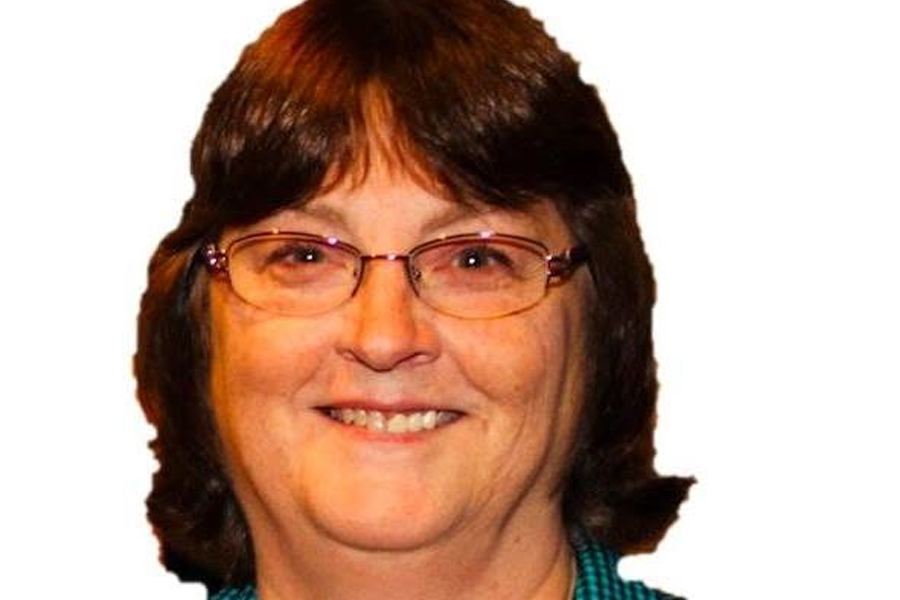
Her Books and Public Message
Dr Lorraine Day authored and circulated several works that blended autobiography, health guidance, and ideological critique. Among the titles associated with her are:
- Getting Started on Getting Well
- Cancer Doesn’t Scare Me Anymore
- Health & Nutrition Secrets
These books read differently from medical textbooks. Personal testimony, nutrition guidance, religious ideas, and conventional health system critique were integrated. Her charm lay in her stories. She gave more than directions. Her story linked disease, hardship, discipline, and revelation.
As I read about her public messaging, one thing stands out clearly: she spoke with certainty. That style attracted followers. In health debates, certainty can move like fire through dry grass, especially when audiences are scared, overwhelmed, or disappointed by institutions.
Controversies and Criticism
Dr Lorraine Day’s public role became more polarizing as time passed. She criticized mainstream cancer treatment, vaccination, fluoridation, and powerful institutions across medicine and government. She also became linked with broader conspiracy oriented communities.
Critics objected to several points in particular:
- suggestions that lifestyle alone could cure serious cancer
- claims that could discourage evidence based oncology care
- anti vaccine rhetoric
- broad attacks on medical institutions
- inconsistent public narratives surrounding aspects of her illness and recovery
Supporters saw her as a whistleblower. Critics saw her as someone using medical credentials to legitimize claims that lacked scientific support. That divide became central to her legacy. Her name could evoke admiration or alarm depending on the audience.
In later years, her speeches also blended health themes with religion, Biblical interpretation, and political suspicion. The result was a public identity that extended well beyond medicine.
Family and Marriage
William Dannemeyer
The best known family relationship publicly associated with Dr Lorraine Day is her marriage to William Edwin Dannemeyer. He was a Republican politician, lawyer, and conservative activist who served as a U.S. Representative from California from 1979 to 1993.
Dannemeyer was deeply conservative, especially on social issues and anti-communism. His public persona was assertive and ideological. In that way, his marriage to Dr. Lorraine Day makes sense. Both followed conservative, religious, and anti-establishment ideologies.
Shared values and causes underpin their partnership. They seemed to enhance each other’s viewpoint rather than being opposites. Public life might be a show, but theirs was more of an alliance than a romance.
William Dannemeyer died in 2023 at age 89. After his death, renewed discussion of his life also revived interest in Dr Lorraine Day’s own public history.
Parents and Extended Family
Public information about Dr Lorraine Day’s parents and extended family remains sparse. There is no widely documented mainstream record detailing her mother, father, siblings, or broader family tree in the same way that her professional and ideological life has been discussed.
That absence matters because it shapes the kind of biography that can be told. In her case, the public record is rich in controversy and career milestones but thin in domestic and genealogical detail. Her family story, at least in publicly verified terms, stays mostly behind a curtain.
Timeline of Major Life Events
Here is a simple timeline that helps place the major phases of Dr Lorraine Day’s life in order:
| Year | Event |
|---|---|
| 1937 | Born in the United States |
| 1950s to 1960s | Pursued medical education and surgical training |
| 1970s | Advanced in orthopedic trauma surgery |
| 1980s | Became Chief of Orthopedic Surgery at San Francisco General Hospital |
| Early 1990s | Diagnosed with breast cancer |
| 1990 to 1993 | Publicly discussed her cancer battle |
| Mid 1990s | Promoted alternative healing methods |
| Late 1990s | Became a major alternative health speaker |
| 2000s | Released books, videos, seminars, and newsletters |
| 2000s to 2010s | Expanded into broader political and conspiracy commentary |
| 2023 | Public attention resurfaced after William Dannemeyer’s death |
Why Her Story Still Circulates
Years after her public peak, Dr. Lorraine Day remains popular. Her older lectures and interviews are still popular online, especially among anti-mainstream medicine forums. As public health organizations were distrusted during COVID 19, that circulation increased.
Her message has endured for several reasons:
- she was a physician, not merely a commentator
- she offered a dramatic personal survival narrative
- she combined health advice with moral and spiritual themes
- she spoke in clear, forceful language
- her ideas fit neatly into broader anti establishment worldviews
In that way, her public legacy behaves like an echo in a canyon. It keeps returning, sometimes louder when the political climate changes.
FAQ
Who was Dr Lorraine Day?
Dr Lorraine Day was an American orthopedic trauma surgeon, academic physician, author, and later a controversial alternative health commentator. She became widely known after publicly discussing her breast cancer diagnosis and promoting natural healing methods.
What was her medical profession?
She was an orthopedic surgeon specializing in trauma care. She also served as Chief of Orthopedic Surgery at San Francisco General Hospital and held an academic affiliation with UCSF.
Why did she become controversial?
She became controversial because she rejected many conventional medical treatments after her cancer diagnosis and later promoted alternative health theories, anti vaccine views, and broader anti establishment beliefs that critics argued lacked scientific support.
Was Dr Lorraine Day married?
Yes. She was married to William Dannemeyer, a former Republican congressman, lawyer, and conservative activist from California.
Who was William Dannemeyer?
William Edwin Dannemeyer was a U.S. Representative who served from 1979 to 1993. He was known for his strong conservative political positions and later became part of the broader public story connected to Dr Lorraine Day.
Is much known about Dr Lorraine Day’s parents and family background?
No. Publicly verified information about her parents, siblings, and extended family is limited. Most attention has focused on her medical career, cancer story, and later activism.
What books did Dr Lorraine Day write?
Books associated with her include Getting Started on Getting Well, Cancer Doesn’t Scare Me Anymore, and Health & Nutrition Secrets.
Why is Dr Lorraine Day still discussed today?
She is still discussed because her lectures, interviews, and health claims continue circulating online, especially in alternative medicine and anti establishment communities. Her background as a surgeon gives her story lasting visibility.